Tokyo Car Meets
Tokyo has no single car meet. It has a network of them, spread along the elevated Shuto Expressway, across Tokyo Bay and even underground in Akihabara. Each spot has its own crowd, its own timing and its own rules, and most of them were never designed to host car enthusiasts in the first place.
What links them is the road. Drivers leave the city after dark, loop around the C1 inner circuit or the Bayshore Route, stop for a while at a parking area, then move on to the next one. A night of Tokyo car culture is less about one location than about the journey between several.
This guide covers the gathering places that matter most today: Daikoku PA, Umihotaru PA, UDX Parking in Akihabara, Tatsumi PA, as well as smaller stops like Heiwajima PA and Shibaura PA and the cruising zones of Odaiba and Shibuya.
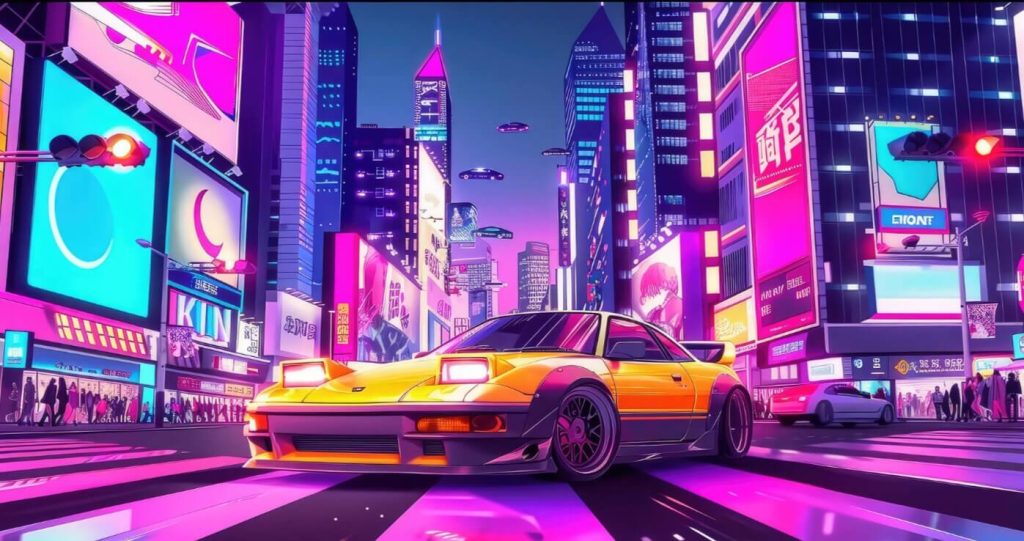
Daikoku PA : the capital of Japanese car meets
Daikoku Parking Area sits on a reclaimed island in Tsurumi, Yokohama, where the Bayshore Route meets the K5 Daikoku Line. Drivers reach it through a famous spiral of ramps, and once inside they find a huge open lot surrounded by highways. That isolation from homes is exactly why it became the most famous car meet spot in the world.
There are no organizers and no schedule. On a good night you can see Skyline GT-Rs, Supras, RX-7s and Silvias next to Lamborghinis, VIP sedans, bosozoku-style builds and the occasional American muscle car. Cars arrive, stay half an hour and leave, so the line-up keeps changing.
Daikoku is reachable only by car: there is no train station, bus or footpath. Its popularity with foreign visitors has also led police to close the entrance on many busy Friday and Saturday nights, sometimes within minutes of a crowd forming. Arriving earlier in the evening, or joining a tour whose driver knows the alternatives, makes a big difference.
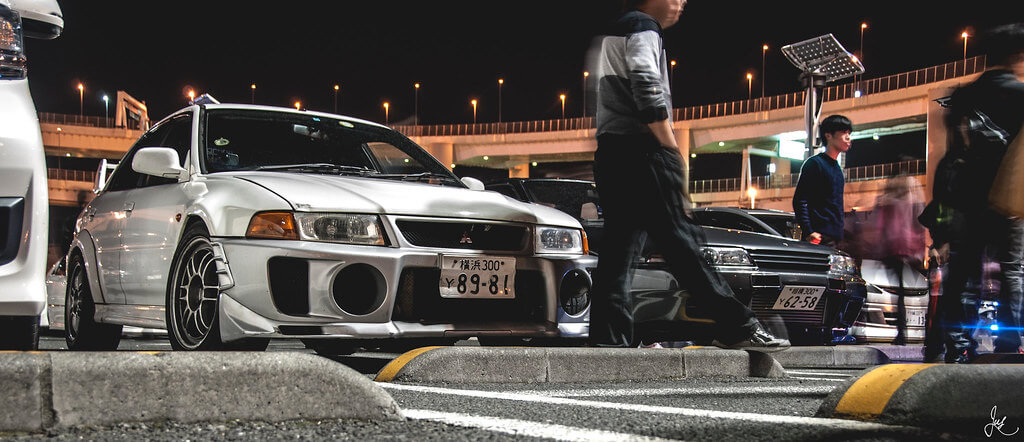
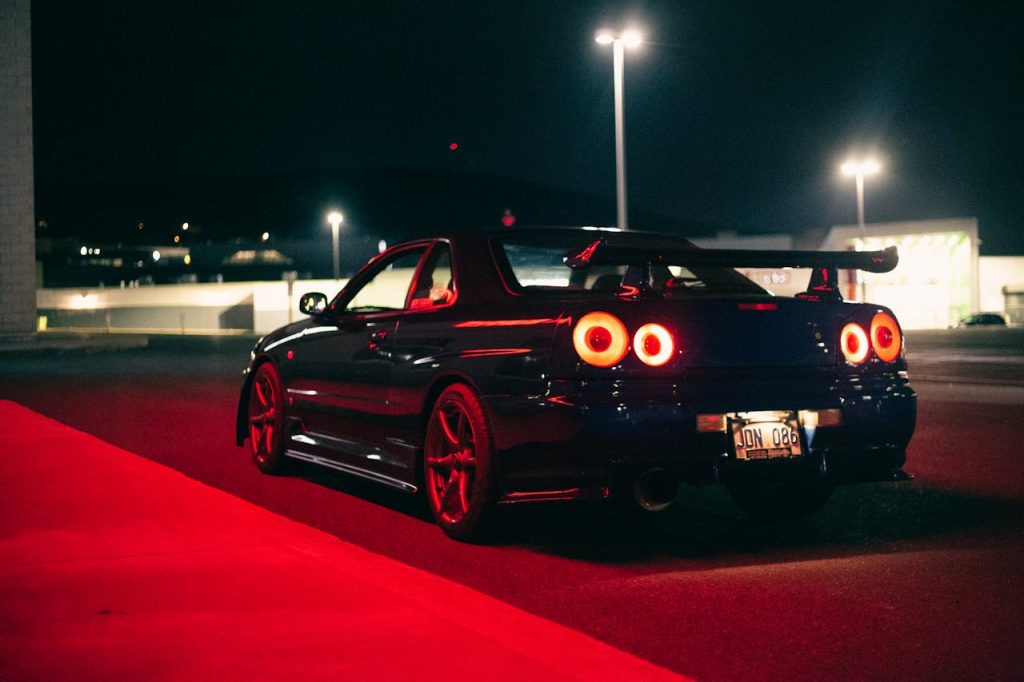
Umihotaru PA : a car meet in the middle of Tokyo Bay
Umihotaru, the “sea firefly”, is a parking area built on an artificial island halfway along the Tokyo Bay Aqua-Line. Opened in 1997, the Aqua-Line links Kawasaki to Kisarazu in Chiba through an undersea tunnel that rises onto a long bridge right at Umihotaru.
The location is unlike any other meet spot: five floors of shops and restaurants, an open-air deck above the water, views of the Tokyo and Yokohama skylines and, on clear days, Mount Fuji. At night the bridge lights and the dark sea create one of the most cinematic backdrops in Japan, a favourite among fans of Wangan Midnight.
The atmosphere is calmer than at Daikoku. Expect a smaller but often high-quality mix of GT-Rs from R32 to R35, NSXs, Supras, Evos and WRX STIs, plus European exotics on weekend evenings. Keep in mind that the Aqua-Line is a toll road, which naturally filters out casual traffic.
UDX Parking : Akihabara’s underground car spot
UDX Parking is not a highway rest area at all. It is the 24-hour public car park beneath the Akihabara UDX building, a few minutes’ walk from JR Akihabara Station, with around 800 spaces spread over several basement levels.
Its fame comes from itasha, cars wrapped with anime, manga, video game or idol characters. Akihabara being the heart of otaku culture, itasha owners naturally started meeting here, and on weekends the lower levels can host dozens of them alongside clean JDM builds, stance cars and kei cars.
UDX is the easiest Tokyo car spot to visit without a car, but it remains a working car park. Stay on foot paths, never block vehicles, and always ask owners before taking close-up photos.

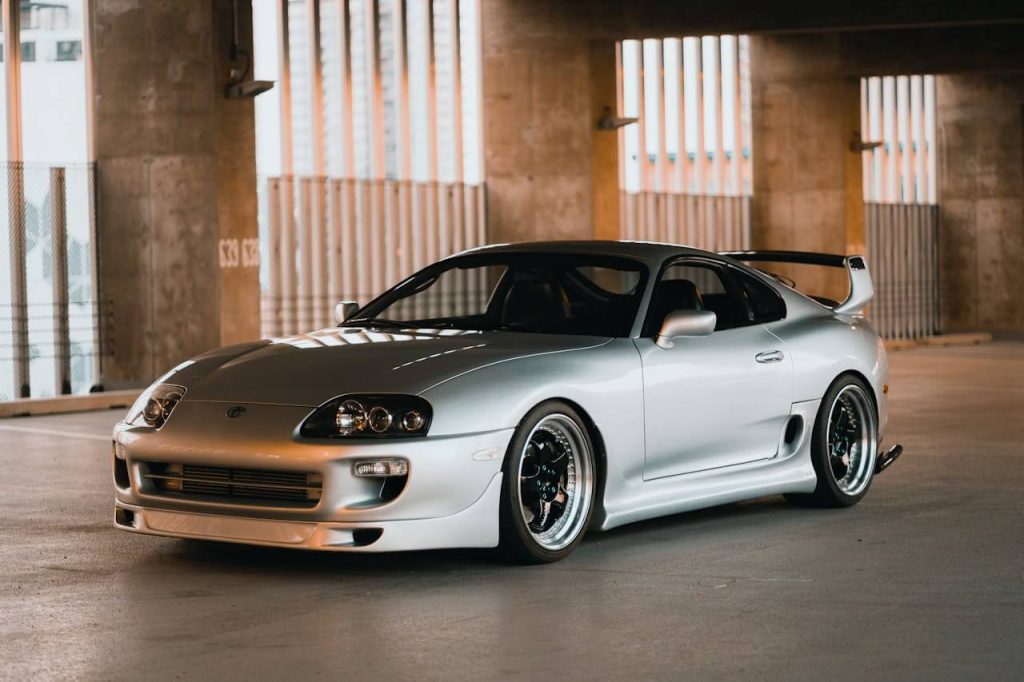
Tatsumi PA : the skyline meet
Tatsumi Parking Area is a compact stop on Shuto Route 9 in Koto ward, close to the Tatsumi junction with the Bayshore Route. Small, elevated and framed by the illuminated towers of central Tokyo, it became a favourite for photographers and for short stops between two runs on the expressway.
The cars are as varied as anywhere in Tokyo: RB26-powered Skylines, rotary RX-7 FD3S, NSX NA1 and NA2, drift-built Silvias and modern supercars. The difference is scale. Tatsumi feels intimate, and encounters are short.
That intimacy comes with a downside. Because the lot is so small, police regularly close Tatsumi PA on weekend nights when too many cars gather. Treat it as a bonus stop rather than the main event.
Heiwajima PA : Shibaura PA and other expressway stops
When Daikoku or Tatsumi are closed, drivers spread out to smaller parking areas. Heiwajima PA, on Route 1 (Haneda Line) in Ota ward near Haneda Airport, is a regular stop for supercar groups and tuned cars heading to or coming from Yokohama. Shibaura PA, a tiny stop in Minato ward near the Rainbow Bridge approach, works as a quick pause during C1 and bay area loops.
These places rarely draw big crowds, and that is precisely their charm: a few cars, a few conversations, then everyone heads back onto the expressway.
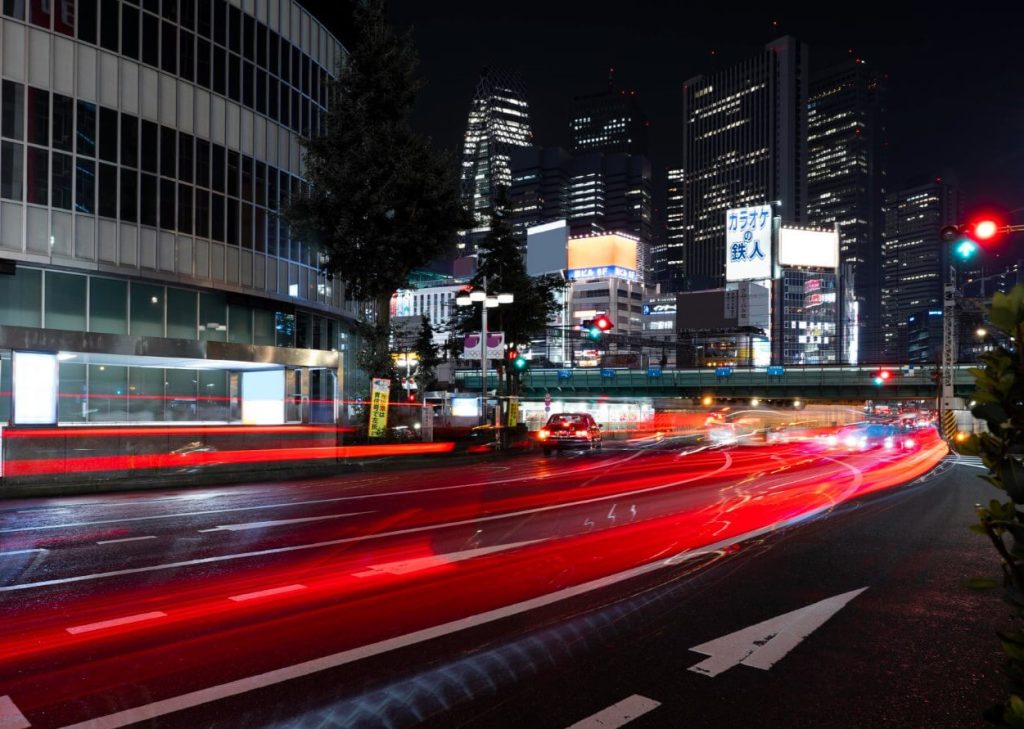
Odaiba and Shibuya : where the night starts
Not every part of Tokyo car culture happens in a parking lot. Odaiba, the waterfront island reached by the Rainbow Bridge, offers wide avenues, light night traffic and skyline views that make it a classic cruising area and a natural link between central Tokyo and the Bayshore Route to Daikoku.
Shibuya plays a different role. With its narrow streets and strict parking rules, it hosts no real meets, but it is where many tours and enthusiast groups gather before entering the expressway. Spotting a GT-R or a Porsche at a red light near the scramble crossing, or exotic cars around Omotesando, is part of the Tokyo experience.
Tokyo car meet spots at a glance
| Spot | Type | Access | Best time | Atmosphere |
|---|---|---|---|---|
| Daikoku PA | Expressway parking area (Yokohama) | Car only | Friday and Saturday evenings, Sunday mornings | Big, varied, busy |
| Umihotaru PA | Island rest area on the Aqua-Line | Car (toll road) | Weekend evenings, sunset | Scenic and relaxed |
| UDX Parking | Underground car park (Akihabara) | Car or on foot from JR Akihabara | Weekend afternoons | Itasha and pop culture |
| Tatsumi PA | Small expressway parking area | Car only | Weekend nights (frequent closures) | Intimate, skyline views |
| Heiwajima / Shibaura PA | Small expressway stops | Car only | Late evening | Quiet, short stops |
| Odaiba / Shibuya | Cruising areas | Car or public transport | After dark | Driving and spotting |
How to experience Tokyo car meets as a visitor ?
Most of these spots sit inside the Shuto Expressway network, so the main challenge for a traveler is simply getting there. Renting a car requires an international driving permit valid in Japan and a good knowledge of the expressway junctions, and a closed parking area can mean a long detour. That is why many visitors choose a guided car culture tour: a local driver handles the route, adapts the plan when Daikoku or Tatsumi are closed, and often lets you ride in a Skyline, a Supra or a supercar.
Whichever option you choose, the etiquette is the same everywhere: no revving or burnouts, no blocking of parking spaces, ask before photographing people or touching a car, and leave without fuss if the police ask the crowd to disperse. These meets only survive because they stay respectful.
Tokyo car meets FAQ
Where is the biggest car meet in Tokyo ?
Daikoku PA in Yokohama, about 30 minutes from central Tokyo by expressway, is by far the largest and most famous gathering in the Tokyo area.
Can I go to Tokyo car meets without a car ?
For UDX Parking, yes: it is a short walk from JR Akihabara Station. Daikoku, Tatsumi, Heiwajima and Shibaura are expressway parking areas reachable only by car, so you will need a rental car or a guided tour.
Are Tokyo car meets free ?
The parking areas themselves are free to enter, but you pay the expressway tolls to reach them, and the Aqua-Line toll for Umihotaru. UDX is a paid public car park.
What is the best day for a car meet in Tokyo ?
Friday and Saturday nights are the busiest, but also the most likely to see police closures. Sunday mornings at Daikoku and weekend afternoons at UDX are calmer alternatives.
Why is Daikoku PA sometimes closed ?
When too many cars and spectators gather, the expressway operator and police close the entrance to keep traffic flowing safely. Closures have become frequent on busy weekend nights, so it is worth having a backup plan such as Umihotaru.